Systems for the Treatment and Reduction of Odor Emissions
We design and supply systems for the treatment and control of all odor emissions generated in industrial processes. Our systems utilize a wide range of proven technologies, from biological scrubbers, activated carbon adsorbers, packed tower scrubbers, chemical scrubbers, UV photolysis, plasma purification, catalytic oxidizers, and thermal oxidizers. These solutions are tailored to meet the specific needs of each application across diverse industries, including wastewater treatment, landfill, food processing facilities, chemical manufacturing, pharmaceutical production, and waste management operations.
Send request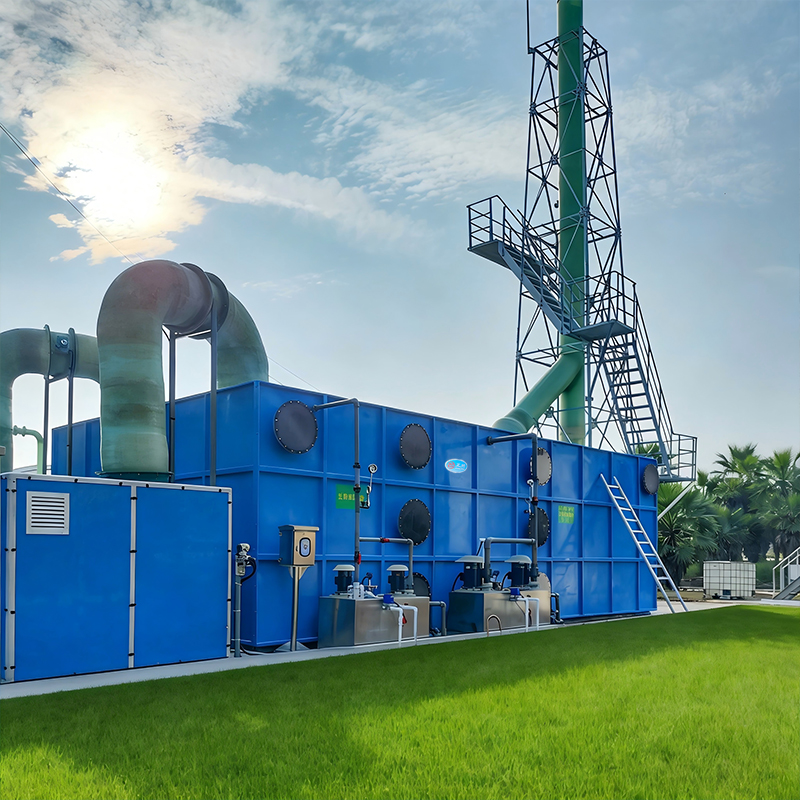
Systems for the Treatment and Reduction of Odor Emissions
We design and supply systems for the treatment and control of all odor emissions generated in industrial processes. Our systems utilize a wide range of proven technologies, from biological scrubbers, activated carbon adsorbers, packed tower scrubbers, chemical scrubbers, UV photolysis, plasma purification, catalytic oxidizers, and thermal oxidizers. These solutions are tailored to meet the specific needs of each application across diverse industries, including wastewater treatment, landfill, food processing facilities, chemical manufacturing, pharmaceutical production, and waste management operations.
Technologies for Odor Emissions Reduction
Odors originate from various industrial sources and can significantly impact surrounding communities and worker health. Effective odor control requires understanding the nature of odor compounds, their concentration levels, air flow characteristics, and regulatory requirements.
At Guangdong Zhengzhou Environmental Protection Technology Co., Ltd., we offer comprehensive odor treatment solutions combining proven technologies with innovative approaches to achieve optimal results. Our systems are designed to handle complex odor mixtures containing volatile organic compounds (VOCs), hydrogen sulfide (H2S), ammonia (NH3), mercaptans, amines, and other malodorous substances.
Key Considerations for Odor Treatment Selections
- Type and concentration of odor compounds
- Airflow volume and variability
- Temperature and humidity conditions
- Space availability and outdoor or enclosure
- Is odor effluent wet and/or dry only
- Regulatory compliance requirements
Our Technologies for Odor Elimination
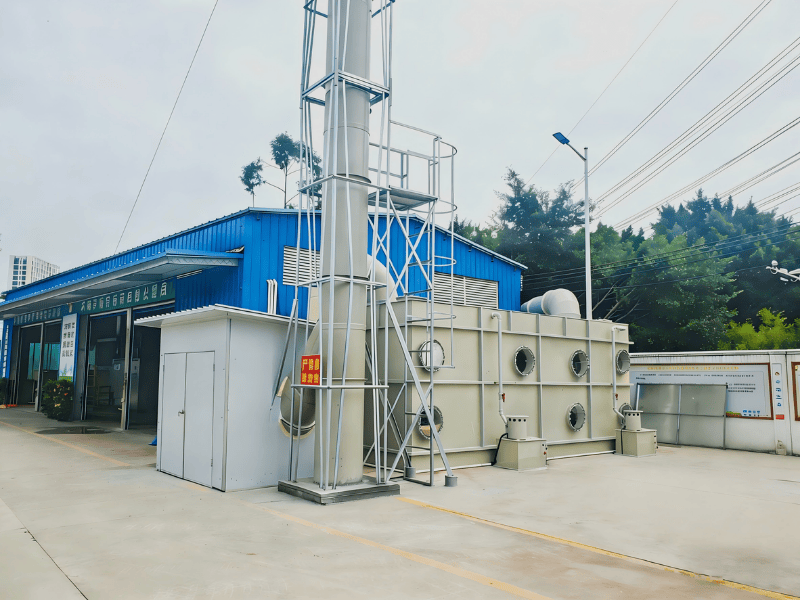
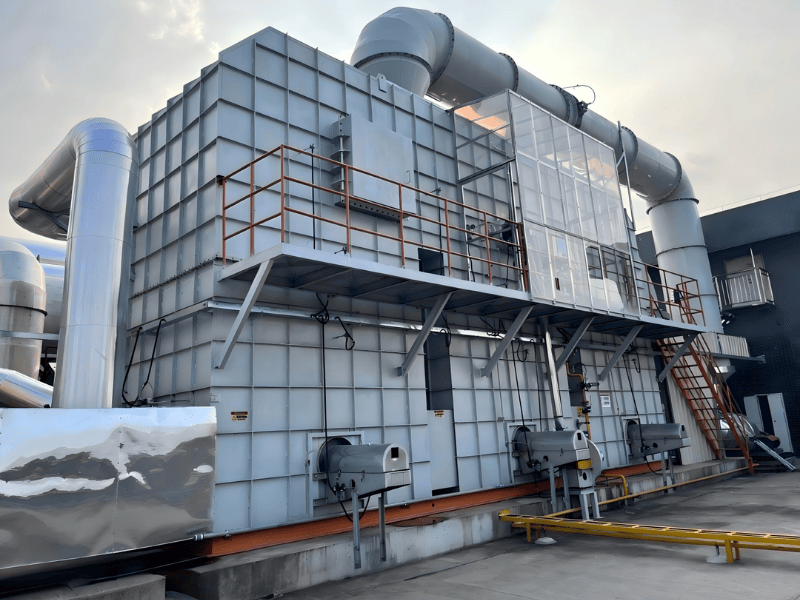
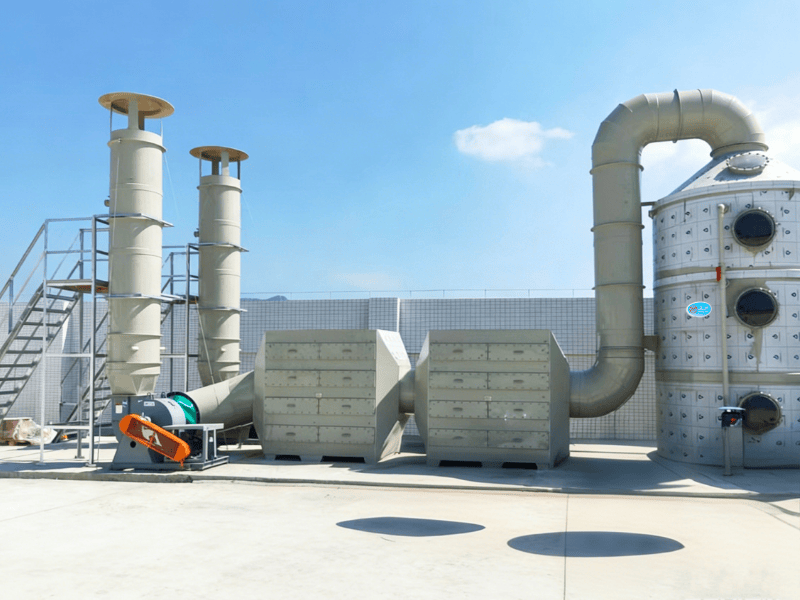
Biological Filtration Systems
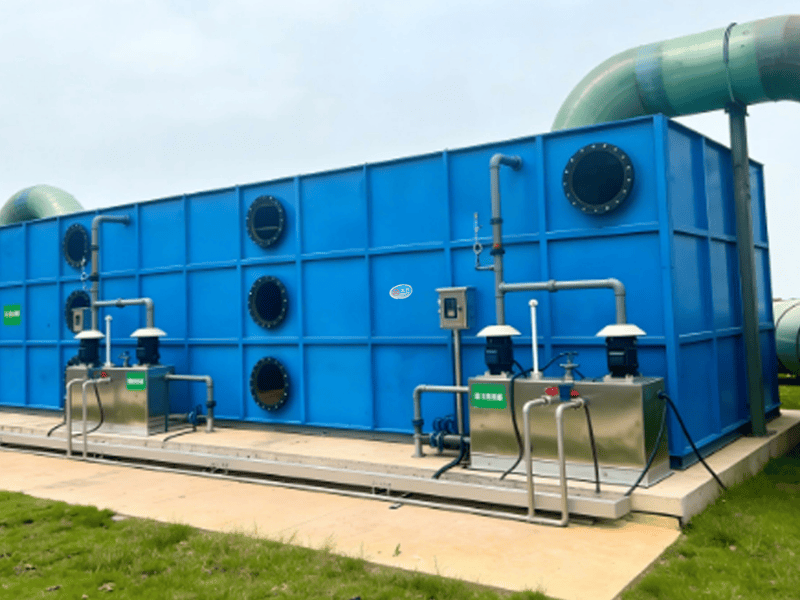
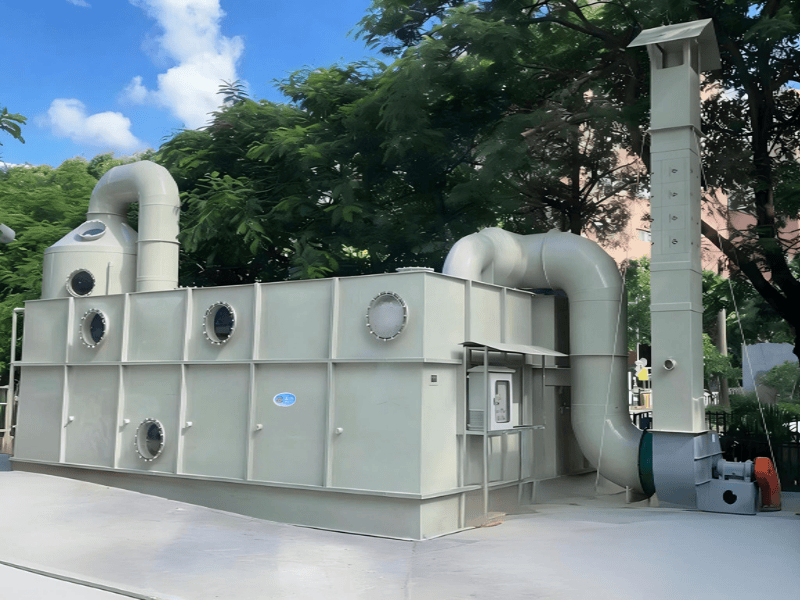
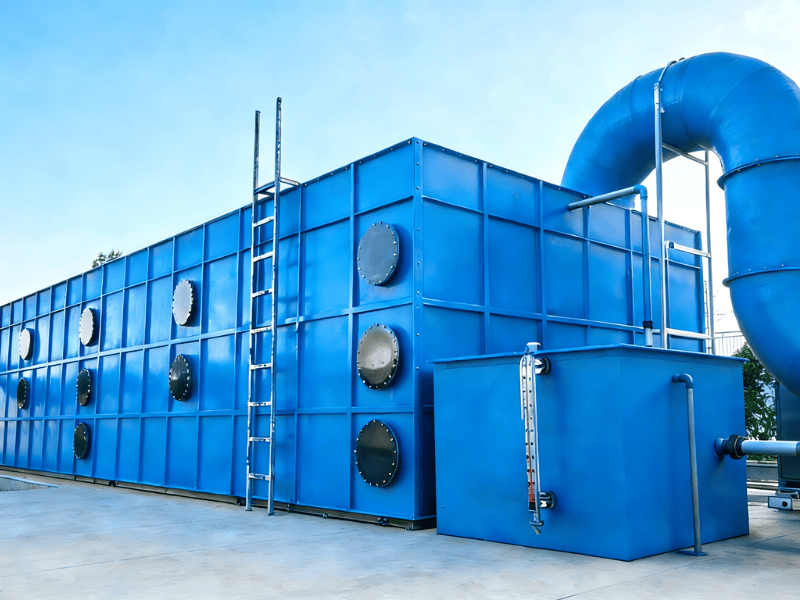
Biological filters use naturally occurring micro-organisms to biodegrade odor compounds into harmless by-products (CO2, H2O, and biomass). These contaminants are passed through a packed bed of organic or synthetic media where bacteria and fungi metabolize the pollutants.
Key Features
- Low energy consumption and operating costs
- Environmentally friendly with no chemical additions
- Effective for biodegradable odor compounds
- Suitable for low to medium concentration applications
- Requires regular maintenance and monitored water and pH
Applications
- Wastewater treatment plants
- Composting facilities
- Food processing plants
- Petroleum oil & gas operations
- Animal rendering operations
Activated Carbon Adsorbers
Activated carbon adsorbers remove odor molecules through physical and chemical adsorption onto the porous carbon surface. This technology is highly effective for removing VOCs, H2S, and other organic odors.
Key Features
- High removal efficiency (>99%) for many odor compounds
- Small footprint and robust performance
- Suitable for low to moderate odor concentration applications
- Modular design allows for easy expansion
- Spent carbon requires an easy disposal or regeneration
- Relatively low maintenance
Applications
- Chemical storage tanks
- Laboratory exhaust systems
- Printing and coating operations
- Textile dyeing operations
- Restaurant kitchen exhaust ventilators
Chemical Scrubbing Systems
Wet scrubbers use chemical solutions (acidic, alkaline, or oxidizing) to react with and neutralize odor compounds in the gas phase. Common reagents include sodium hypochlorite, caustic (NaOH), hydrogen peroxide, and sodium bisulfite.
Key Features
- Rapid reaction for effectively removable odor molecules
- Effective for water-soluble and corrosive odor compounds
- Can be customized to incorporate multiple treatment chemistries
- Suitable for a wide range of airflow rates
- Used in wastewater management systems
Applications
- Acid gas removal (HCI, SO2, NOx)
- Chemical manufacturing processes
- Metal finishing operations
- Pharmaceutical production
- Pulp and paper mills
UV Photolysis - Plasma Purification
UV photolysis combines an ultraviolet light with plasma ionization to break down complex odor molecules into simpler, less odorous compounds, or to oxidize them fully into CO2 and H2O.
Key Features
- Non-thermal plasma-ionization for breakdown operations
- Simultaneous removal of multiple odor types
- Low energy consumption, especially for small airflow rates
- No secondary waste generation
- Effective for low concentration hydrogen sulfide odors
Applications
- Food processing plants
- Rendering plants
- Sewage treatment stations
- Landfill gas treatment
- Rubber and plastic operations
Catalytic Oxidizer
Catalytic oxidizers are systems which destroy odor compounds through an oxidized combustion at lower temperatures (350-500°C) using precious metal catalysts. This method achieves near-complete destruction efficiency (up to 99%).
Key Features
- 100% destruction efficiency, no opaque plume output
- Long-term and durable catalyst systems
- Compact, scalable and suitable for many ventilation configurations
- Requires minimal natural gas and electricity requirement
- Ideal for medium to high concentration applications
Applications
- Chemical exhaust vents
- Petroleum and chemical industries
- Paint and coating operations
- Pharmaceutical facilities
- Industrial drying ovens
Regenerative Thermal Oxidizers (RTOs)
RTO systems operate at very high temperatures (800-1000°C) to thermally oxidize odor compounds into CO2. They incorporate ceramic heat recovery media to achieve extremely high VOC removal efficiency.
Key Features
- Support wide range of airflows at very low concentration
- Excellent energy recovery, reduces fuel consumption
- Suitable for large-volume, medium to high concentration streams
- Less maintenance for short and long-term investment
- Highly capable of VOCs and other organic odor compounds
Applications
- Large scale chemical plants
- Automotive manufacturing plants
- Composite manufacturing plants
- Textile dyeing and finishing
- Food and drink businesses
Industries of Other Emission Control
Our diverse range of staff provides services to a wide variety of industries.
| Industry | Typical Odor Sources | Recommended Solutions |
|---|---|---|
| Wastewater Treatment | Anaerobic basins, sludge handling, pump stations | Biofilters + chemical scrubbers |
| Solid Waste | Composting, landfills, incineration | Biofilters + activated carbon |
| Chemical Manufacturing | Reaction vessels, storage tanks, scrubbers, vents | Catalytic oxidizers + wet scrubbers |
| Food Processing | Cooking odors, rendering, wastewater | Thermal oxidizers + activated carbon |
| Pharmaceutical | Fermentation, solvents, process gases | Activated carbon + Biofilters |
| Agriculture | Animal waste, manure storage, feedlots | Biofilters + wet scrubbers |
| Pulp & Paper | Digesters, bleach plants, wastewater | Chemical scrubbers + biofilters |
| Metal Finishing | Pickling tanks, plating lines, degreasing | Wet scrubbers + activated carbon |
Common Odor Compounds Include
- Hydrogen Sulfide (H2S) - rotten egg smell
- Ammonia (NH3) - pungent, fishy odor
- Mercaptans - sulfurous, garlic-like
- Amines - fishy, fecal smell
- Volatile Organic Compounds (VOCs) - diverse chemical odors
- Aldehydes and Ketones - sweet, fruity, or pungent odors
- Organic Sulfides - waft from sewage
Industries and Applications
Odor emissions occur across diverse industrial sectors. Our technologies are suitable for facilities generating a broad range of compounds, from chemical reactors, food processing, or natural-setting operations.
| Industry Name | Typical Odor Sources | Recommended Solutions |
|---|---|---|
| Wastewater Treatment | Anaerobic basins, sludge handling, pump stations | Biofilters + chemical scrubbers |
| Solid Waste | Composting, landfills, incineration | Biofilters + activated carbon |
| Chemical Manufacturing | Reaction vessels, storage tanks, scrubbers, vents | Catalytic oxidizers + wet scrubbers |
| Food Processing | Cooking odors, rendering, wastewater | Thermal oxidizers + activated carbon |
| Pharmaceutical | Fermentation, solvents, process gases | Activated carbon + Biofilters |
| Agriculture | Animal waste, manure storage, feedlots | Biofilters + wet scrubbers |
| Pulp & Paper | Digesters, bleach plants, wastewater | Chemical scrubbers + biofilters |
| Metal Finishing | Pickling tanks, plating lines, degreasing | Wet scrubbers + activated carbon |