WASTEWATER EVAPORATORS
Low-temperature evaporation and freezing crystallization
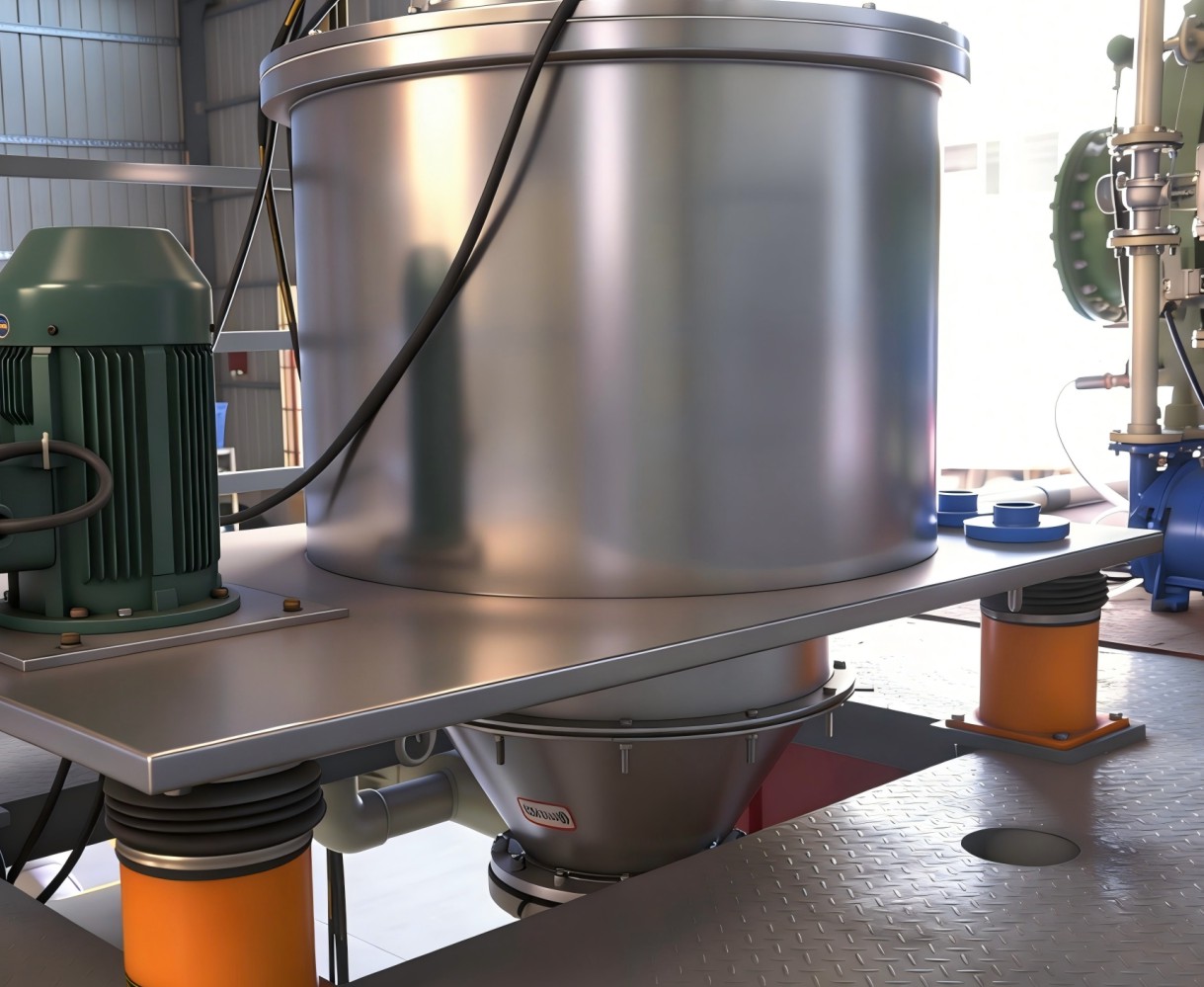
This section consolidates your product report and industry references into one practical framework focused on three outcomes: energy saving, disposal reduction, and resource recovery.
For high-salinity, high-COD, heavy-metal, and refractory streams, the system combines front-end concentration and back-end salt recovery to meet compliance while reducing operating cost.
A typical route is: pretreatment → low-temperature evaporation (heat pump/vacuum/MVR) → freezing crystallization → salt/liquid separation and reuse.
1. Core selling points: clear value proposition
Waste-to-value resource recovery
Crystallized salt purity 98.5%+
Beyond wastewater treatment, the system recovers industrial-grade salts such as sodium chloride and sodium sulfate for resale or in-house reuse.
Extreme energy efficiency
60-130 kWh per ton of water
With low-temperature heat-pump and vacuum operation, typical power demand is 60-130 kWh/t and steam demand is minimal or eliminated.
Hazardous waste minimization
Liquid waste reduction 90%+
Evaporation concentration followed by crystallization sharply reduces disposal volume and significantly lowers hazardous-waste handling costs.
2. Technical principle and anti-scaling advantages
Process logic: vacuum-assisted low-boiling evaporation
- Wastewater enters the evaporation chamber, where negative pressure (typically -0.08 to -0.095 MPa) lowers boiling temperature to around 35-40 degC.
- The heat-pump loop supplies low-grade heat, and secondary vapor is condensed into reusable distillate.
- Concentrated mother liquor is fed to the freezing crystallization stage, where temperature gradients drive controlled salt precipitation.
Anti-scaling and reduced-cleaning design
- Low-temperature anti-scaling: reduces rapid precipitation and adhesion of inorganic salts.
- Physical anti-scaling: forced-circulation fluidization and optional ultrasonic support reduce hotspots and deposition.
- Structural anti-scaling: external heat exchange and online cleaning extend continuous run time and reduce acid-wash frequency.
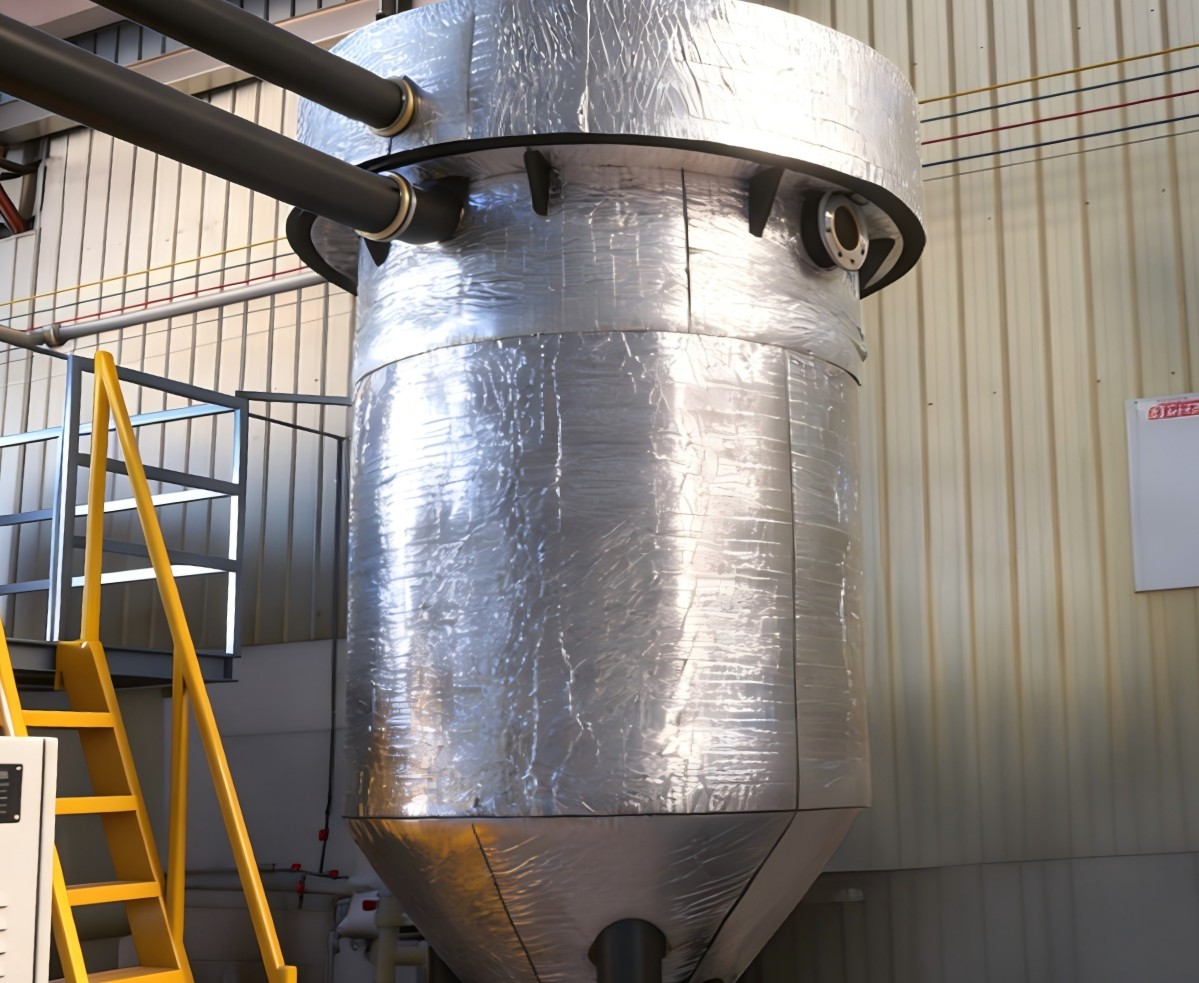
3. Application scenarios by wastewater type
High-salinity wastewater
- Coal chemical brine streams
- Desulfurization wastewater
- RO concentrate
- Landfill leachate concentrate
Heavy-metal and electroplating wastewater
- Nickel plating wastewater
- Chromium plating wastewater
- Electroless nickel waste
- Non-volatile heavy-metal containment
Refractory organic wastewater
- Cutting-fluid wastewater
- Emulsion wastewater
- Rinse/cleaning wastewater
- High-COD mixed waste streams
4. Resource recovery outcomes
Recovered water quality
Distillate from evaporation is clear and can be reused directly in process lines. Typical water-reuse ratio is above 95%.
Crystallized salt quality
Recovered salts can achieve low moisture and high purity (typical: moisture below 5%, purity 98%-99%+), supporting reuse or external sales.
(1).png)
5. Automation and materials: durable by design
- PLC full-automatic control for 24/7 unattended operation.
- Mobile app and cloud-based remote monitoring with alarm push notifications.
- Core wetted parts available in 316L stainless steel, duplex 2205, and titanium alloy.
- Material combinations can be tailored for strong acid, strong alkali, and high-chloride conditions; service life can exceed 10 years.
(1).png)
Representative equipment specifications
6. Comparison and case evidence
| Comparison item | Traditional evaporation (conventional MEE/MVR) | Low-temp evaporation + freezing crystallization |
|---|---|---|
| Unit energy consumption | About 120-220 kWh/t (varies by condition) | About 60-130 kWh/t |
| Steam requirement | Usually requires steam or high-grade heat | Electric-drive option with low or no steam demand |
| Maintenance and scaling | Fast scaling at high temperature, frequent shutdown cleaning | Low-temp and physical anti-scaling for longer run periods |
| Overall return | Mainly compliance-oriented discharge control | Multi-source return: minimization + reuse + salt recovery |
Case A: Large electroplating plant retrofit
- Before retrofit: large outsourced disposal volume and high hazardous-waste costs.
- After retrofit: over 90% volume reduction and over 95% condensate reuse.
- Annual impact: about CNY 2 million disposal-cost savings and about CNY 0.5 million salt-recovery value.
Case B: Chemical park high-salinity mother-liquor project
- Process route: front-end MVR pre-concentration + back-end freezing crystallization salt split.
- Output: industrial regenerated salt purity of 98.5%-99%, plus stable by-product water reuse.
- Result: simultaneous compliance, resource recovery, and stable long-cycle operation.