Sulfur- and Nitrogen-containing Exhaust Gas Treatment
We design dedicated systems for the treatment of sulfur oxides (SOx) and nitrogen oxides (NOx) in industrial exhaust gas emissions. Our technologies include Selective Catalytic Reduction (SCR), Exhaust Gas Recirculation (EGR), wet flue gas desulfurization (WFGD), and our patented DeNOx Recovery system. We supply the most effective solutions for removal of over 99% of NOx and SOx, customizable to meet the needs of each application.
Send request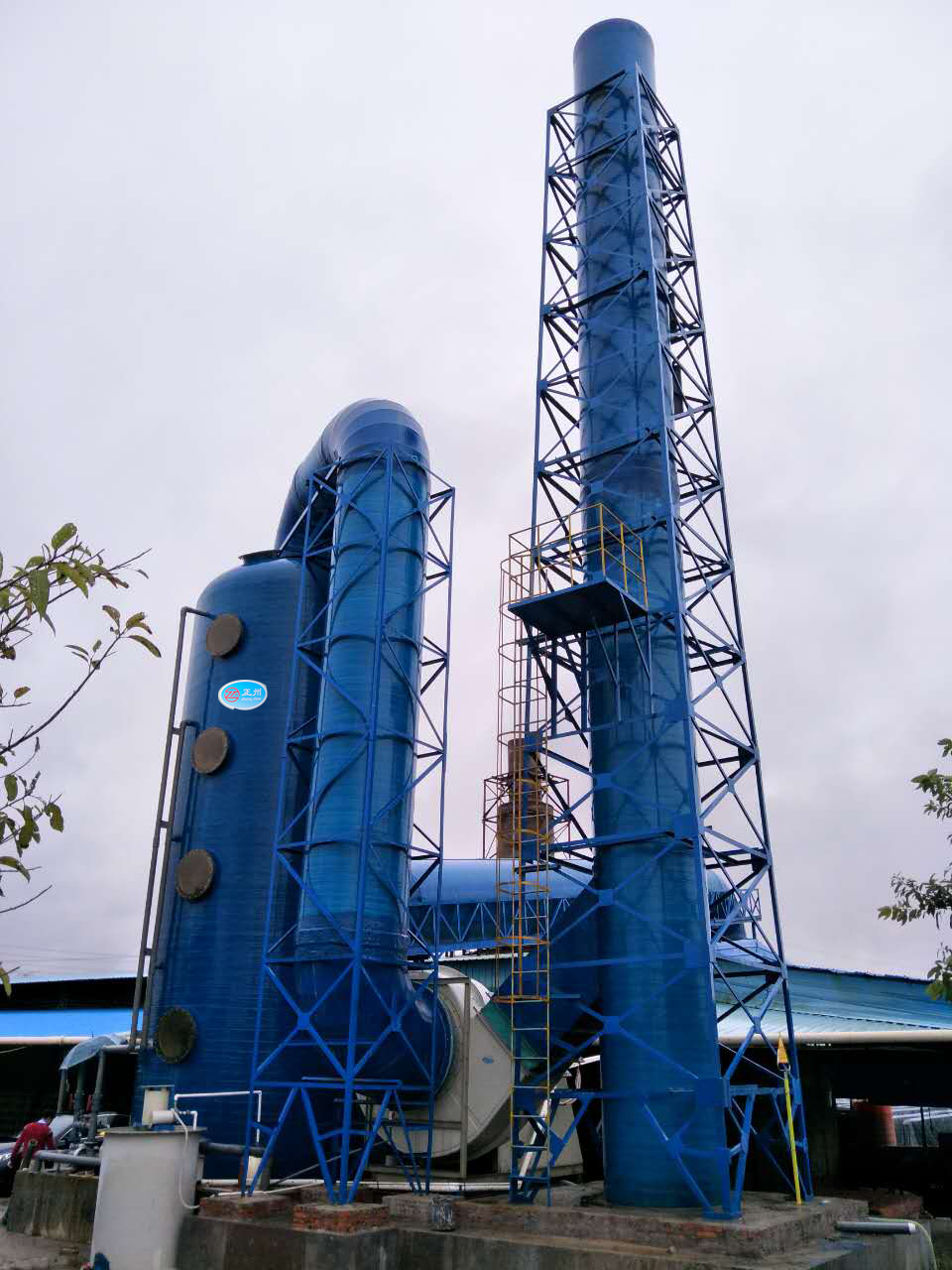
Sulfur- and Nitrogen-containing Exhaust Gas Treatment
We design comprehensive treatment systems for the removal of sulfur compounds (SO₂, H₂S, mercaptans) and nitrogen oxides (NOx, N₂O, NH₃) generated in industrial processes. We apply the most commonly used technologies for acid gas abatement, including wet scrubbing, dry adsorption, selective catalytic reduction (SCR), and hybrid treatment systems. We have also developed integrated solutions that allow for the removal of over 95% of sulfur and nitrogen pollutants, customized to meet the needs and goals of each application.
Guangdong Zhengzhou Environmental Protection Technology Offer
At Guangdong Zhengzhou Environmental Protection Technology Co., Ltd., we design and manufacture systems and technologies for the removal or abatement of sulfur- and nitrogen-containing emissions. The most commonly used technologies for acid gas removal are:
- Wet Scrubbing Systems – Chemical absorption using alkaline solutions
- Dry Adsorption – Activated carbon or specialized sorbents for H₂S and SO₂
- Selective Catalytic Reduction (SCR) – For NOx conversion to N₂ and H₂O
- Selective Non-Catalytic Reduction (SNCR) – High-temperature ammonia injection
- Hybrid Multi-Stage Systems – Combined treatment for complex pollutant mixtures
Besides these technologies, we have developed patented integrated processes that have shown significantly improved results for the removal or abatement of acid gases and NOx emissions.
Key Advantages of Our Integrated Treatment Approach
- Removal yields of over 95% for both sulfur and nitrogen compounds
- Conversion of waste into reusable by-products where applicable
- Minimal chemical waste production
- No hazardous compounds in atmospheric emissions
- Simple and reliable operation
- Fully automated and robust operating process
Our Technologies for Sulfur and Nitrogen Removal
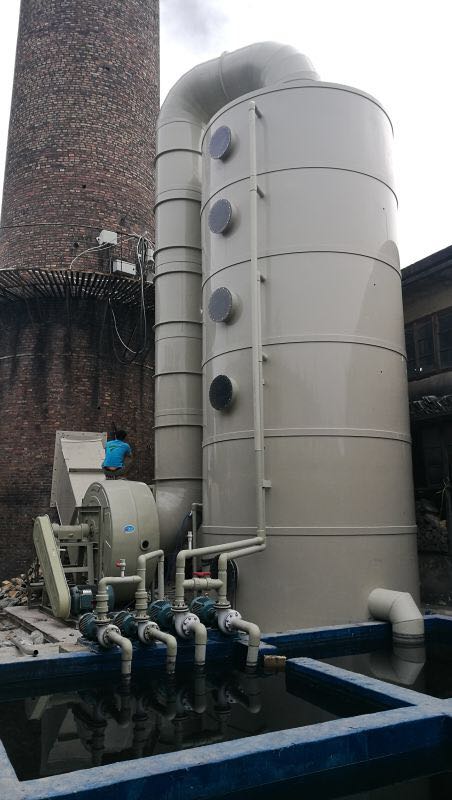
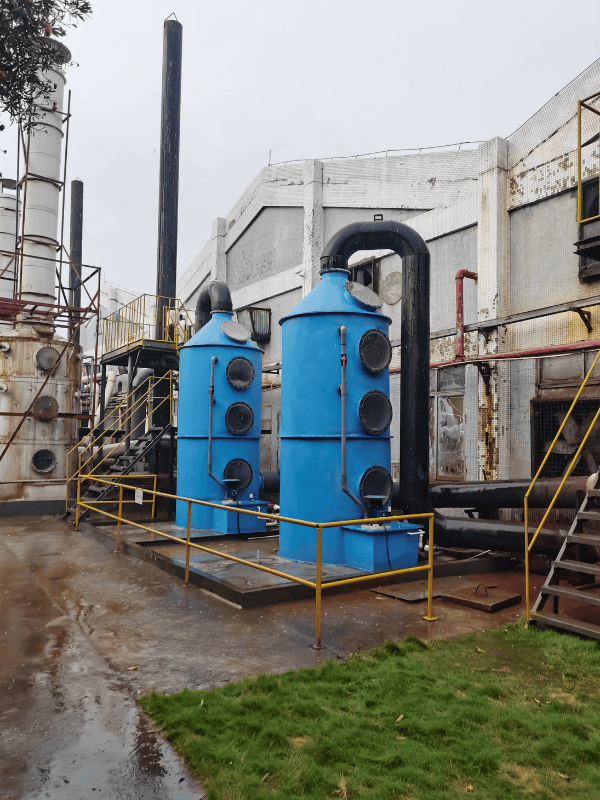
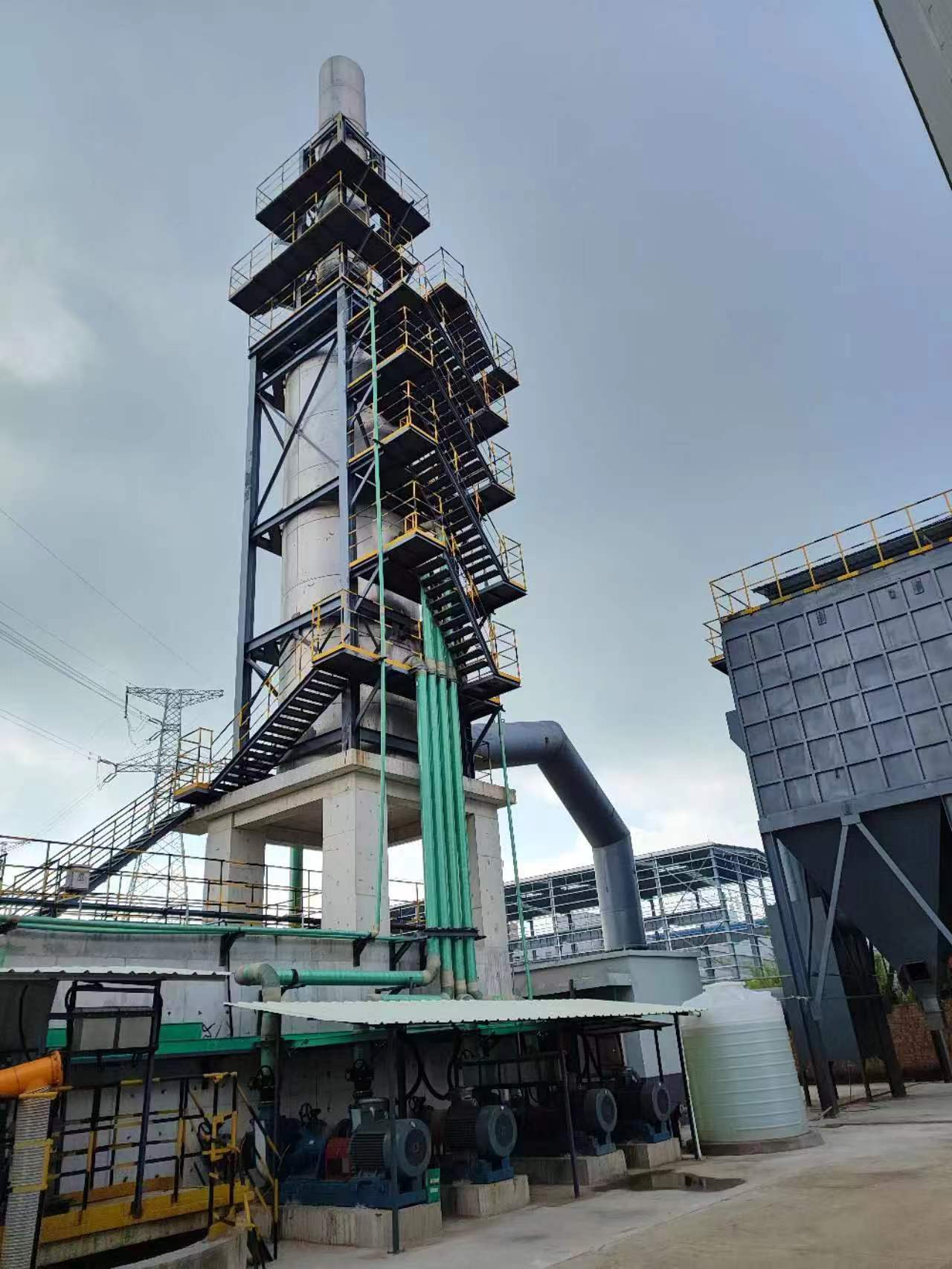
Wet Scrubber Systems For SO₂ and H₂S
This technique involves absorption of sulfur compounds by chemical reaction in the liquid phase, generally using alkaline solutions (NaOH, CaCO₃, or Mg(OH)₂). SO₂ reacts with the scrubbing solution to form sulfites/sulfates, which remain in the liquid phase for subsequent treatment or disposal.
Key Features
- High removal efficiency (>95%) for water-soluble gases
- Simultaneous removal of particulate matter
- Cooling effect on hot exhaust streams
- Requires wastewater management system
Applications
- Chemical manufacturing plants
- Petroleum refining facilities
- Metal smelting operations
- Waste incineration plants
Selective Catalytic Reduction (SCR) for NOx
This technique is based on a catalytic process in which nitrogen oxides are selectively reduced in the presence of a catalyst while the reducing agent (ammonia or urea) is oxidized to nitrogen gas. The reaction occurs on the surface of a catalyst at temperatures in the range of 250–500°C.
Key Features
- Very high NOx elimination yield (>90%)
- Transforms NOx into harmless N₂ (without additional byproducts)
- Suitable for continuous high-temperature processes
- Requires precise ammonia dosing control
Catalyst Options
- Metal oxides (vanadium, tungsten, molybdenum, chromium) on TiO₂ support
- Zeolites for specific temperature ranges
- Iron oxides coated with iron phosphate
- Activated carbon for low-temperature applications
Dry Adsorption Systems
Adsorbent systems use granular adsorbent materials to capture sulfur and nitrogen compounds through physical and chemical adsorption mechanisms. This technology is ideal for low to medium concentration applications and intermittent operations.
Key Features
- Simple operation and low maintenance
- Suitable for diverse exhaust conditions
- Modular design for easy expansion
- Spent media requires proper disposal or regeneration
Hybrid Multi-Stage Treatment
For complex exhaust streams containing both sulfur and nitrogen compounds, we offer integrated multi-stage systems combining scrubbing, adsorption, and catalytic treatment for maximum removal efficiency.
Key Features
- Comprehensive pollutants removal in single system
- Optimized energy consumption
- Reduced footprint compared to separate systems
- Automated control and monitoring
Benefits of Sulfur and Nitrogen Emission Abatement
Sulfur and nitrogen oxides contribute significantly to air pollution and can be extremely harmful for human health and the environment.
Main Environmental Impacts
| Pollutant | Primary Effects |
|---|---|
| SO₂ | Acid rain formation, respiratory irritation, vegetation damage, etc. |
| NOₓ | Ozone layer depletion, smog formation, respiratory effects, etc. |
| H₂S | Odor of rotten eggs, corrosion, poisoning, effects on taste |
| NH₃ | Groundwater and soil formation, acid rain, smog generation |
| N₂O | Direct greenhouse gas, ozone depletion, and global warming |
Industrial Sources
- Energy production (coal, oil, natural gas combustion) – ~25% of total NOx
- Chemical manufacturing and petrochemical refining
- Metal processing and electroplating operations
- Waste incineration and biomass combustion
- Pharmaceutical and agrochemical production
Regulatory Compliance
Our treatment systems ensure compliance with:
- China National Emission Standard (GB 3095-1996, GB 16297-1996, GB 14554-93)
- EU Industrial Emissions Directive (2010/75/EU)
- US Clean Air Act requirements
- Local environmental protection regulations
Sectors and Applications
Sulfur and nitrogen-containing gases are generated across diverse sectors of industry. Our technologies can be applied in facilities where thermal energy is generated through combustion processes or where chemical reactions produce acid gases.
| Industry Sector | Typical Pollutants | Recommended Solution |
|---|---|---|
| Chemical Manufacturing | SO₂, NOₓ, H₂S, NH₃ | Wet Scrubber + SCR |
| Petroleum Refining | H₂S, SO₂, NOₓ | Amine Treating + SCR |
| Metal Smelting | SO₂, NOₓ, particulates | Dry Scrubbing + Baghouse |
| Power Generation | SO₂, NOₓ, CO₂ | SCR + SO₂/NOx |
| Waste Incineration | SO₂, NOₓ, dioxins, furans | Multi-Stage Hybrid |
| Pharmaceutical | VOCs, H₂S, solvent vapors | Carbon Adsorption + Oxidizer |
| Food Processing | H₂S, NH₃, CO₂ | Biofilter + Scrubber |
| Biomass | Acid gases, VOCs | Wet Scrubber + Biofilter |